Foods to raise testosterone: myths
Lists of "foods that raise testosterone" circulate on websites and social media: oysters, eggs, red meat, nuts, pomegranate, garlic, celery. It sounds appealing — eat the right food and your hormones are in order. The editorial team checked what of this has grounding in research and what is an exaggeration, and which factors actually have the greatest influence on the testosterone level in men.
How testosterone is regulated
The level of testosterone in a man's blood is controlled by the "hypothalamus — pituitary — testes" system. The hypothalamus releases gonadotropin-releasing hormone; in response the pituitary releases luteinising hormone, which stimulates the Leydig cells in the testes to synthesise testosterone. When there is enough of the hormone, negative feedback kicks in, and the signal weakens.
This system is designed to maintain stability. That is exactly why an individual food product in a healthy person with a normal diet cannot substantially "rev up" testosterone: the body itself keeps the hormone within an individual norm. Short-term fluctuations after eating, training or stress are ordinary physiology, not a long-term effect.
Lowering testosterone, on the other hand, is much easier. Chronic energy deficiency, obesity, lack of sleep, chronic stress, excessive alcohol consumption, some medications and chronic illnesses suppress the hormonal axis. That is, nutrition most often affects testosterone not through "superfoods", but through the elimination of negative factors.
Testosterone circulating in the blood is mostly bound to proteins — sex hormone-binding globulin (SHBG) and albumin. So to assess hormonal status, doctors look not only at total testosterone, but also at SHBG, LH and clinical symptoms.
Myths about individual foods
Myth: "Oysters raise testosterone".Oysters really are extremely rich in zinc, which is needed for the synthesis of the hormone. However, this matters only with a zinc deficiency. For a person with normal zinc status, oysters will not add testosterone — only zinc, of which there is already enough.
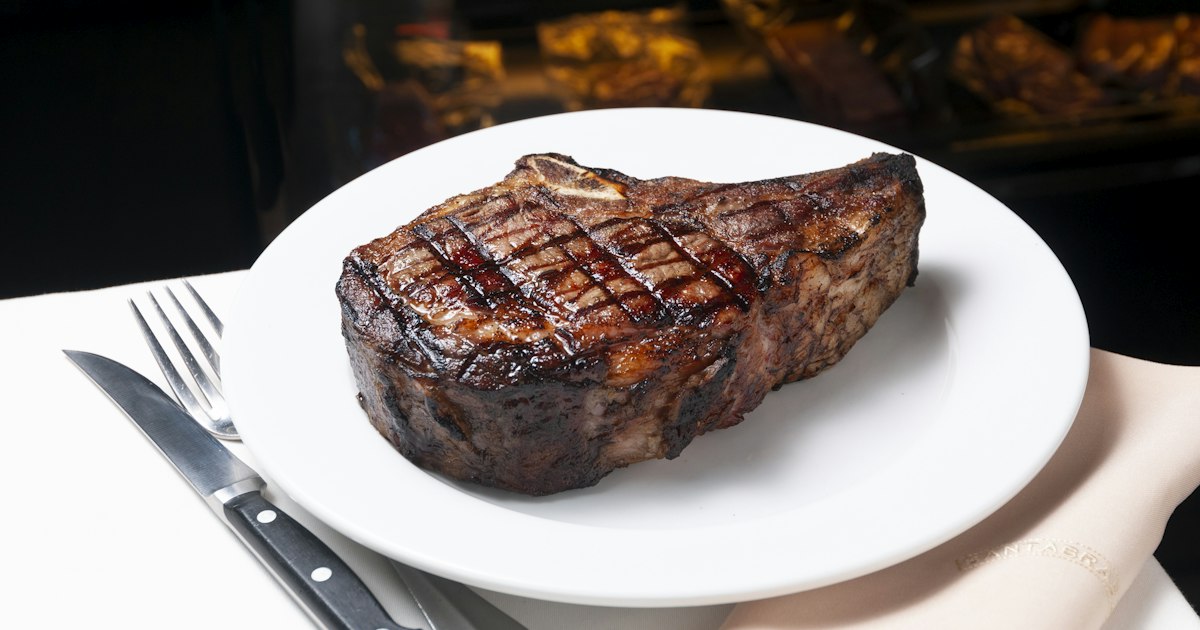
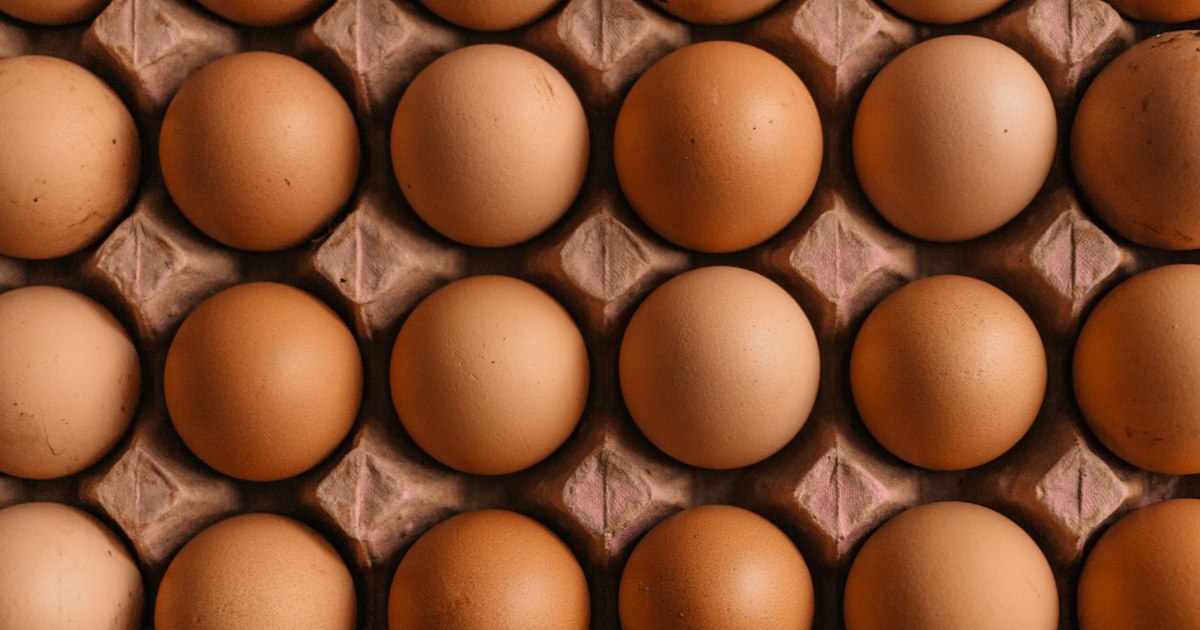
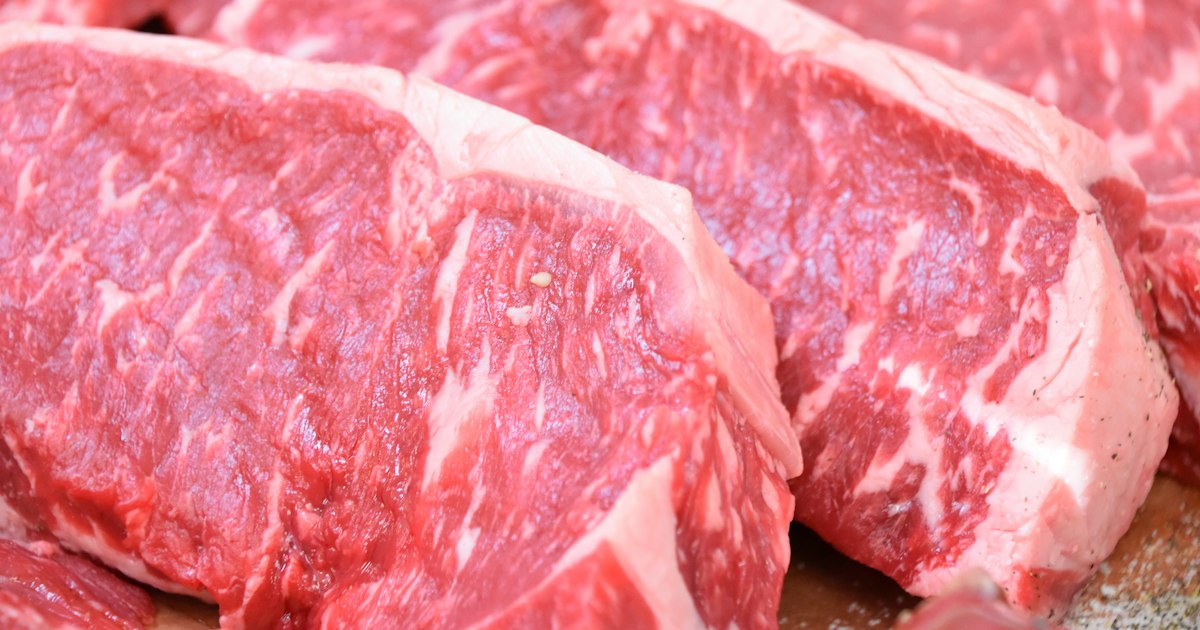
Myth: "Eggs and red meat are natural anabolics".Cholesterol is a precursor of steroid hormones, but the body synthesises it itself in sufficient quantity. There are no studies showing that additional eggs or steaks raise testosterone in people with a balanced diet. These products are useful as sources of protein, zinc and iron — and no more.
Myth: "Soy lowers testosterone".This fear is linked to soy isoflavones, which have a weak oestrogen-like action. However, the updated meta-analysis by Reed and colleagues (2021) of clinical studies found no effect of consuming soy or isoflavones on the level of testosterone, oestrogens or other reproductive hormones in men at ordinary dietary amounts.
| Product | Popular claim | What is actually known |
|---|---|---|
| Oysters | "A natural booster" | A source of zinc; useful with a deficiency, otherwise no effect on the hormone is proven |
| Eggs, red meat | "Cholesterol = testosterone" | Good sources of protein and trace elements, a direct rise of the hormone is not proven |
| Soy | "Lowers testosterone" | Meta-analyses show no effect at ordinary consumption |
| Pomegranate, garlic, celery | "Raise testosterone" | Mostly data from animal studies or very small samples |
| Nuts, seeds | "Male foods" | Healthy fats, zinc, magnesium; no specific hormonal effect is proven |
Claims about pomegranate, garlic, celery or bananas mostly rest on studies in rodents or on small pilot works without a control group. Transferring such results to humans without confirmation in clinical studies is a typical mistake of popular articles.
Deficiencies that really matter
Zinc is the best-studied trace element in the context of testosterone. In the study by Prasad and colleagues (1996), restricting zinc in the diet of young men lowered testosterone, while adding it to elderly men with a moderate deficiency raised it. However, the key word here is "deficiency": in people with normal status, zinc supplements have no effect.
Vitamin D is also discussed in connection with testosterone. In the randomised study by Pilz and colleagues (2011), in men with a low vitamin D level its intake was accompanied by a rise in testosterone. However, in other studies, where participants had no deficiency, no such effect was observed.
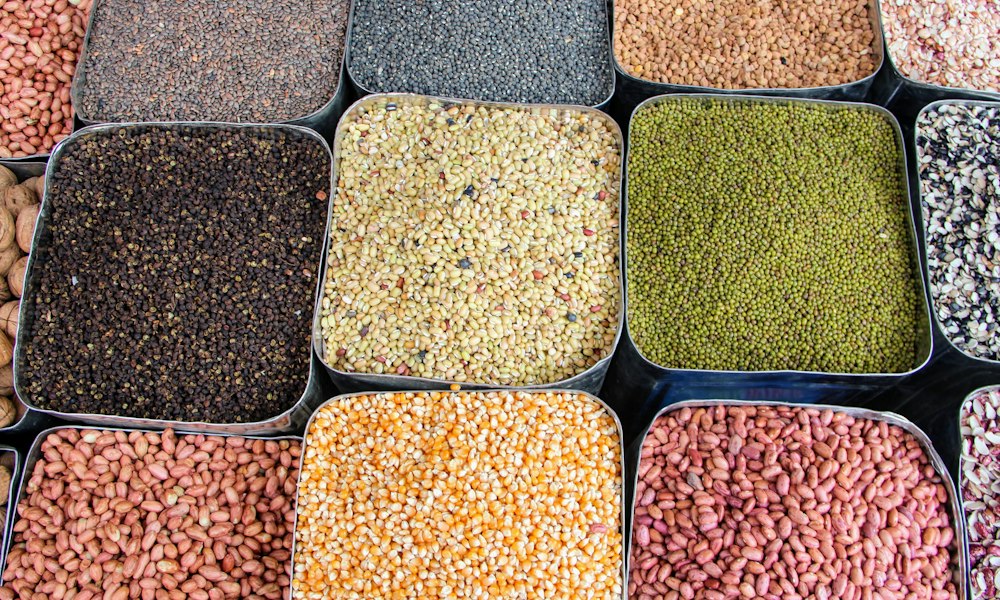
- Zinc:meat, seafood, pumpkin seeds, legumes; the risk of deficiency is higher in vegetarians and with heavy sweating.
- Vitamin D:oily fish, eggs, fortified foods; the main source is the sun, so deficiency is widespread in winter.
- Magnesium:nuts, whole grains, greens; the link with testosterone is studied less well.
- Sufficient energy and protein:necessary for the normal work of the hormonal axis.
Hence a practical conclusion: instead of looking for "magic foods", it is advisable to check whether there is a deficiency of the main trace elements. Blood tests for vitamin D and, where indicated, for other markers give an objective picture.
Excessive doses of zinc or vitamin D, taken "for prevention", can be harmful: a prolonged excess of zinc disrupts the absorption of copper, and an excess of vitamin D leads to a rise in the level of calcium in the blood.
Fats, calories and body weight
One of the factors linked to nutrition does have real evidence — the share of fats in the diet. The meta-analysis by Whittaker and Wu (2021) of intervention studies showed that low-fat diets were accompanied by a moderate decrease in testosterone in men compared with diets with a higher fat content. The effect is small but consistent.
This does not mean you should eat as much fat as possible. Rather, it is that extreme low-fat diets may be undesirable for men who care about their hormonal background. A moderate share of fats from various sources is the optimal approach.
The most powerful "dietary" factor is body weight. Obesity is associated with lowered testosterone, partly through increased aromatase activity in adipose tissue and a decrease in SHBG. A reduction of excess weight in obese men is usually accompanied by a rise in the hormone level.
The opposite extreme is a prolonged significant calorie deficit, characteristic of bodybuilders in competition preparation or athletes in weight categories. It suppresses the hormonal axis, and testosterone can decline to levels characteristic of hypogonadism. Lack of sleep also matters: in the experiment by Leproult and Van Cauter (2011), a week of restricting sleep to 5 hours lowered daytime testosterone in young men.
Testosterone "boosters" on the market
Besides foods, "booster" supplements based on tribulus, D-aspartic acid, fenugreek, tongkat ali and their combinations are popular. The systematic review by Qureshi and colleagues (2014) on tribulus found no convincing evidence of a rise in testosterone in humans.
For D-aspartic acid the results are contradictory: some early studies reported a rise in the hormone, but in the study by Willoughby and Leutholtz (2013) with trained men, 28 days of intake changed neither the level of testosterone, nor strength, nor body composition. As for fenugreek and tongkat ali, the data are limited and often sponsored by manufacturers.
A separate risk is product quality. Analyses of sports supplements have repeatedly found undeclared steroids or prohormones in "natural boosters". Such contaminants pose a threat to health and can lead to a positive doping test.
If a man has symptoms of low testosterone — fatigue, reduced libido, loss of muscle mass, worsened mood — the right path is not supplements but an examination. The Endocrine Society guidelines (Bhasin et al., 2018) require confirmation of a deficiency by repeat morning tests and a search for its cause.
Editorial conclusions
No individual food raises testosterone in a healthy person with a complete diet. Popular lists of "male foods" are mostly based on animal studies or on widespread stereotypes.
Real significance lies in eliminating zinc and vitamin D deficiency, sufficient energy, a moderate share of fats, a healthy body weight, quality sleep and limiting alcohol.
The fear of soy in ordinary amounts is not confirmed by clinical data, and most "boosters" have no convincing evidence base and may contain dangerous contaminants.
The editorial team also recommends reading our materials about foods that supposedly lower oestrogen, about hormone tests and about the role of sleep in recovery.
References
- Whittaker J, Wu K. Low-fat diets and testosterone in men: systematic review and meta-analysis of intervention studies. J Steroid Biochem Mol Biol. 2021;210:105878.
- Reed KE, Camargo J, Hamilton-Reeves J, Kurzer M, Messina M. Neither soy nor isoflavone intake affects male reproductive hormones: an expanded and updated meta-analysis of clinical studies. Reprod Toxicol. 2021;100:60–67.
- Prasad AS, Mantzoros CS, Beck FW, Hess JW, Brewer GJ. Zinc status and serum testosterone levels of healthy adults. Nutrition. 1996;12(5):344–348.
- Pilz S, Frisch S, Koertke H, et al. Effect of vitamin D supplementation on testosterone levels in men. Horm Metab Res. 2011;43(3):223–225.
- Leproult R, Van Cauter E. Effect of 1 week of sleep restriction on testosterone levels in young healthy men. JAMA. 2011;305(21):2173–2174.
- Qureshi A, Naughton DP, Petroczi A. A systematic review on the herbal extract Tribulus terrestris and the roots of its putative aphrodisiac and performance enhancing effect. J Diet Suppl. 2014;11(1):64–79.
- Willoughby DS, Leutholtz B. D-aspartic acid supplementation combined with 28 days of heavy resistance training has no effect on body composition, muscle strength, and serum hormones associated with the hypothalamo-pituitary-gonadal axis in resistance-trained men. Nutr Res. 2013;33(10):803–810.
- Bhasin S, Brito JP, Cunningham GR, et al. Testosterone therapy in men with hypogonadism: an Endocrine Society clinical practice guideline. J Clin Endocrinol Metab. 2018;103(5):1715–1744.
Andriy Melnyk
A strength-sports coach and author of programs for beginner and intermediate levels. Writes about training planning.